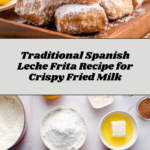
I have to tell you, when I discovered this Leche Frita (Spanish Fried Milk) Recipe, it instantly became a beloved treat in my dessert rotation. There’s something unbelievably comforting about the creamy, custardy interior combined with that crisp, cinnamon-sugar crust. It’s like a little golden treasure that melts in your mouth with every bite. This traditional Spanish delight perfectly balances delicate citrus and warm cinnamon flavors, making it a unique sweet that’s both nostalgic and exciting to share with friends and family.
Why You’ll Love This Leche Frita (Spanish Fried Milk) Recipe
What truly captivates me about this Leche Frita (Spanish Fried Milk) Recipe is the heavenly contrast between textures and flavors. The creaminess inside is silky and rich, thanks to the infused milk with lemon, orange peels, and cinnamon stick, while the outer layer crisps up wonderfully after frying, dusted with a fragrant cinnamon-sugar blend. Each bite gives you a delightful mix of citrus brightness and warm spices that dance on your palate. It’s an experience that instantly transports me to cozy Spanish kitchens and festive gatherings.
I also love how surprisingly approachable this recipe is. Even though it sounds fancy—fried milk, right?—it really uses simple ingredients and straightforward techniques that give perfect results. The preparation mostly involves watching the milk mixture thicken and chilling it, which means you have plenty of time to relax or get other things done. It’s perfect for any occasion, whether it’s a casual family dessert, a dinner party treat, or an indulgent weekend experiment. This dish stands out because it’s such a unique twist on fried desserts, combining custard and frying in a way that feels both traditional and creative.
Ingredients You’ll Need

This recipe relies on a handful of humble ingredients that come together to create its unforgettable flavor and texture. Each item has a purposeful role—whether it’s the milk for creaminess, cinnamon and citrus for aromatic depth, or the flour and cornstarch to achieve that luscious, firm texture you need to fry it beautifully.
- Whole milk: The base for richness and creaminess in the custard.
- Granulated sugar: Sweetens the milk infusion and creates the signature sweet crust.
- Cinnamon stick: Adds warm, comforting spice to the milk while infusing flavor.
- Lemon peel: Brightens up the custard with fresh citrus notes.
- Orange peel: Complements the lemon with fragrant fruity sweetness.
- Cornstarch: Essential for thickening the milk without chalkiness.
- All-purpose flour: Helps create structure and a tender crumb in the custard.
- Sunflower oil: Ideal for frying because of its neutral flavor and high smoke point.
- Eggs (for coating): Gives a luscious binding layer before frying.
- Additional flour (for coating): Makes the outer layer crisp and golden.
- Sugar and ground cinnamon (for coating): Creates that irresistible sweet and spicy crust.
Directions
Step 1: Begin by peeling the lemon and orange, then add the peels along with the sugar and cinnamon stick into a pot. Pour in 4 cups of whole milk and gently bring this to a boil. Once boiling, remove it from the heat and allow it to infuse until it cools to room temperature—this step is where all those lovely flavors get a chance to unfold deeply.
Step 2: While your milk is infusing, whisk together the cornstarch and all-purpose flour into the remaining half cup of milk until smooth and lump-free. This mixture will help thicken your custard perfectly without graininess, so take your time getting it silky.
Step 3: Once the infused milk has cooled, fish out the lemon and orange peels along with the cinnamon stick and transfer the milk to a larger saucepan. Add the cornstarch-flour mixture to the milk and place the pan over medium-high heat. Stir constantly with a wooden spoon for about 6 to 7 minutes, watching carefully that no lumps form. The mixture will thicken and become custard-like. If lumps start forming, just keep stirring vigorously or gently break them with your spoon.
Step 4: Line a baking dish with parchment paper to make removing the custard easier later on. Pour in the thickened milk mixture and spread it evenly so it sets uniformly. Cover with plastic wrap, making sure it touches the surface to prevent a skin from forming, an absolute game changer for smooth texture.
Step 5: Refrigerate the custard for at least 3 hours but ideally overnight to let it firm up fully. This chill time is crucial because it allows you to slice perfect portions for frying without losing shape.
Step 6: When you’re ready, gently peel off the plastic wrap and carefully lift the custard out of the baking dish onto a cutting board. Take your time here as it’s delicate but wonderfully firm. Cut into your preferred-sized pieces—smaller if you want neat finger foods, larger if you want a hearty dessert.
Step 7: Set up your coating station with three bowls: one with beaten eggs, one with all-purpose flour, and one with a mixture of sugar and cinnamon. This triple coating ensures that perfect crunch with a sweet, spicy finish.
Step 8: Heat sunflower oil in a skillet over medium-high heat until it’s about 350 degrees Fahrenheit or hot enough that a wooden spoon dipped in bubbles. Take each custard piece, dredge it first lightly in flour, then dip into the egg, and finally coat it in the cinnamon-sugar mixture.
Step 9: Fry the coated pieces in batches, making sure not to overcrowd the pan so they crisp evenly. Turn them gently until each side is golden and fragrant, usually a couple of minutes per side.
Step 10: Remove the fried custard onto paper towels to drain any excess oil. Once drained, sprinkle a little more cinnamon sugar on top if you like and enjoy immediately while warm and crispy on the outside, creamy and flavorful on the inside.
Servings and Timing
This recipe yields about 8 to 10 servings depending on portion size—perfect for sharing with family or friends who appreciate a unique dessert. Prep time, including infusing the milk and setting the custard in the fridge, takes about 15 minutes active work plus at least 3 hours chilling. Cooking time for frying is roughly 15 minutes, so total time is about 3 hours and 30 minutes, primarily due to the resting phase. Planning ahead really pays off here because the custard needs that cool, firm texture before frying.
How to Serve This Leche Frita (Spanish Fried Milk) Recipe

When it comes to serving this Leche Frita (Spanish Fried Milk) Recipe, I like to keep things simple but elegant. These pieces are wonderful on their own as a warm dessert paired with a dusting of extra cinnamon sugar, but I also love offering a scoop of vanilla ice cream or a dollop of whipped cream to add creaminess and contrast.
If you want to elevate the presentation, scatter some fresh berries or sliced seasonal fruit around the plate for a pop of color and freshness. You can serve them on pretty dessert plates, arranging the pieces neatly spaced with the fruit garnish adding vibrancy. Another idea is sprinkling edible flowers or a light drizzle of honey or caramel for added indulgence.
For beverages, I find that light dessert wines such as a Moscato or a chilled glass of Cava work beautifully to complement the cinnamon and citrus notes. Non-alcoholic options I adore include a spiced chai tea or a citrus herbal tea served warm. This dish is especially inviting on cooler evenings or festive gatherings, where it can be a comforting sweet course enjoyed warm or at room temperature, showcasing its flavorful layers.
Variations
I love experimenting with this Leche Frita (Spanish Fried Milk) Recipe to keep it fresh and exciting. For example, if you need to make it gluten-free, swapping out the all-purpose flour with more cornstarch does wonders. It keeps the texture just right without compromising the delicate custard. For a vegan twist, you can use plant-based milk such as almond or oat and a flax egg instead of chicken eggs, but you’ll want to watch the thickening process carefully.
Flavor-wise, you can definitely get creative beyond citrus and cinnamon. Adding a splash of vanilla extract or substitute the peels with a few crushed cardamom pods or even cocoa powder can give the custard a beautiful new dimension. I’ve also heard of people incorporating finely chopped nuts or dried fruits into the mixture before chilling for a delightful surprise inside.
For a different cooking approach, some adventurous cooks bake the cut and coated pieces in a hot oven instead of frying for a lighter version. It won’t have that classic fried crispness but still creates a tasty, tender treat. Personally, I prefer frying because of that irresistible golden crust, but the oven method is a good alternative if you want less oil.
Storage and Reheating
Storing Leftovers
Leftover leche frita keeps well in an airtight container placed in the refrigerator for up to 3 days. I recommend layering the pieces with parchment paper between them to prevent sticking and preserve their crust. Because it’s best enjoyed fresh and crispy, the texture softens over time, but the flavor remains delightful.
Freezing
You can freeze the cooked and cooled leche frita, though the texture after thawing is slightly less crunchy. Wrap each piece tightly in plastic wrap and place them in a freezer-safe container or zip-top bag to avoid freezer burn. Frozen leche frita will keep for up to 1 month. When you’re ready to enjoy, thaw overnight in the fridge.
Reheating
The best way I’ve found to reheat leche frita is in a hot skillet with a small amount of oil to crisp up the exterior again. Avoid the microwave, as it makes the coating soggy. Gently warm each side for a minute or two until heated through and crispy. This method really revives that fresh-cooked texture and taste.
FAQs
Can I make leche frita ahead of time?
Absolutely! The custard mixture must chill and set for at least 3 hours or overnight, so it’s designed to be made ahead. You can even fry the pieces right before serving to have fresh, crispy treats for your guests.
Is this recipe difficult for beginners?
Not at all! While it may sound fancy, the methods are easy to follow. Just be patient with stirring to avoid lumps and with chilling time. Once the custard is set, frying is quick and straightforward.
Can I use a different oil for frying?
Yes, you can use any neutral oil with a high smoke point, like vegetable or canola oil. I prefer sunflower oil for its mild flavor and excellent frying qualities.
What if I don’t have fresh citrus peels? Can I use zest?
Fresh peels give the best flavor in the infusion, but if you only have zest, you can use that—just add it toward the end of the boiling step and strain quickly to avoid bitterness.
How do I avoid lumps in the custard mixture?
Continuous stirring while cooking is key. Use a wooden spoon and stir constantly over medium heat. If lumps still form, you can break them apart gently with a spatula or use an immersion blender off the heat to smooth the mixture.
Conclusion
I can’t wait for you to try this Leche Frita (Spanish Fried Milk) Recipe because it’s one of those timeless desserts that’s both comforting and exciting. Its gorgeous balance of creamy custard and crispy exterior feels like a hug wrapped in cinnamon and citrus. Whether for a special occasion or just to treat yourself on a cozy night, this dessert truly shines. Dive in, enjoy the process, and most importantly, savor every golden bite!
PrintLeche Frita (Spanish Fried Milk) Recipe

Leche Frita is a traditional Spanish dessert made by thickening milk with cornstarch and flour, then chilling it until firm, cutting into pieces, coating with flour and egg, and frying until golden. Infused with aromatic citrus peels and cinnamon, it is finally dusted with a cinnamon-sugar mixture for a delightful crispy and creamy treat.
- Prep Time: 15 minutes
- Cook Time: 15 minutes
- Total Time: 3 hours 30 minutes (including chilling time)
- Yield: 8 servings
- Category: Dessert
- Method: Frying
- Cuisine: Spanish
Ingredients
Infused Milk Mixture
- 4 ½ cups whole milk
- 1 cup granulated sugar
- 1 cinnamon stick
- 1 lemon peel
- 1 orange peel
Thickening Mixture
- ½ cup cornstarch
- ½ cup all-purpose flour
Frying Coating
- 2 medium eggs
- 1 cup all-purpose flour
- 3 tablespoons white sugar (powdered or granulated)
- 3 tablespoons ground cinnamon
- Sunflower oil, for frying
Instructions
- Infuse the Milk: Peel the lemon and orange and add the peels to a pot along with the sugar and cinnamon stick. Add 4 cups of milk and bring to a boil. Once boiling, remove from heat and let the milk infuse until it cools to room temperature.
- Prepare the Thickening Mixture: Whisk the cornstarch and flour into the remaining ½ cup of milk until completely dissolved. Set aside to use later.
- Combine and Cook: Remove the citrus peels and cinnamon stick from the infused milk and transfer the milk to a larger pot. Add the cornstarch and flour mixture, then cook over medium-high heat while stirring constantly with a wooden spoon for 6-7 minutes. Stir continuously to prevent lumps and ensure thickening.
- Set the Mixture: Line a baking dish with parchment paper to ease removal later. Pour the thickened milk mixture evenly into the dish. Cover with plastic wrap, ensuring it touches the surface to prevent skin formation. Refrigerate for at least 3 hours or preferably overnight until fully firm.
- Cut and Coat: Once chilled and set, carefully peel off the plastic wrap and lift the firm mixture onto a cutting board. Cut into your preferred portion sizes. Prepare three bowls: one with beaten eggs, one with flour, and one with the cinnamon and sugar mixture.
- Fry the Pieces: Heat sunflower oil in a skillet over high heat until it reaches about 350°F (or when a wooden spoon dipped in forms bubbles). Dip each piece first in flour, then egg, and fry until golden on all sides, turning as needed. Avoid overcrowding the pan and fry in batches if necessary.
- Drain and Coat: Place fried leche frita on paper towels to absorb excess oil. While still warm, coat each piece with the cinnamon-sugar mixture. Serve immediately and enjoy this crispy, creamy delicacy.
Notes
- For sugar alternatives, you can substitute granulated sugar with a sweetener of your choice, especially for dietary needs. Powdered sugar is recommended for the final coating for smoother texture.
- To make this dessert gluten-free, use only cornstarch instead of flour; however, a half-and-half mix is preferred for flavor and texture.
- Flavor variations are welcome: try adding vanilla, chocolate, or other aromatics if desired.
- To avoid lumps when cooking, stir constantly or use an immersion blender after removing from heat if lumps form.
- Ensure plastic wrap touches the surface of the mixture to prevent skin from forming during chilling.
- Maintain frying oil temperature around 350°F for best results; readiness can be checked by dropping a wooden spoon or toothpick to see if bubbles form.